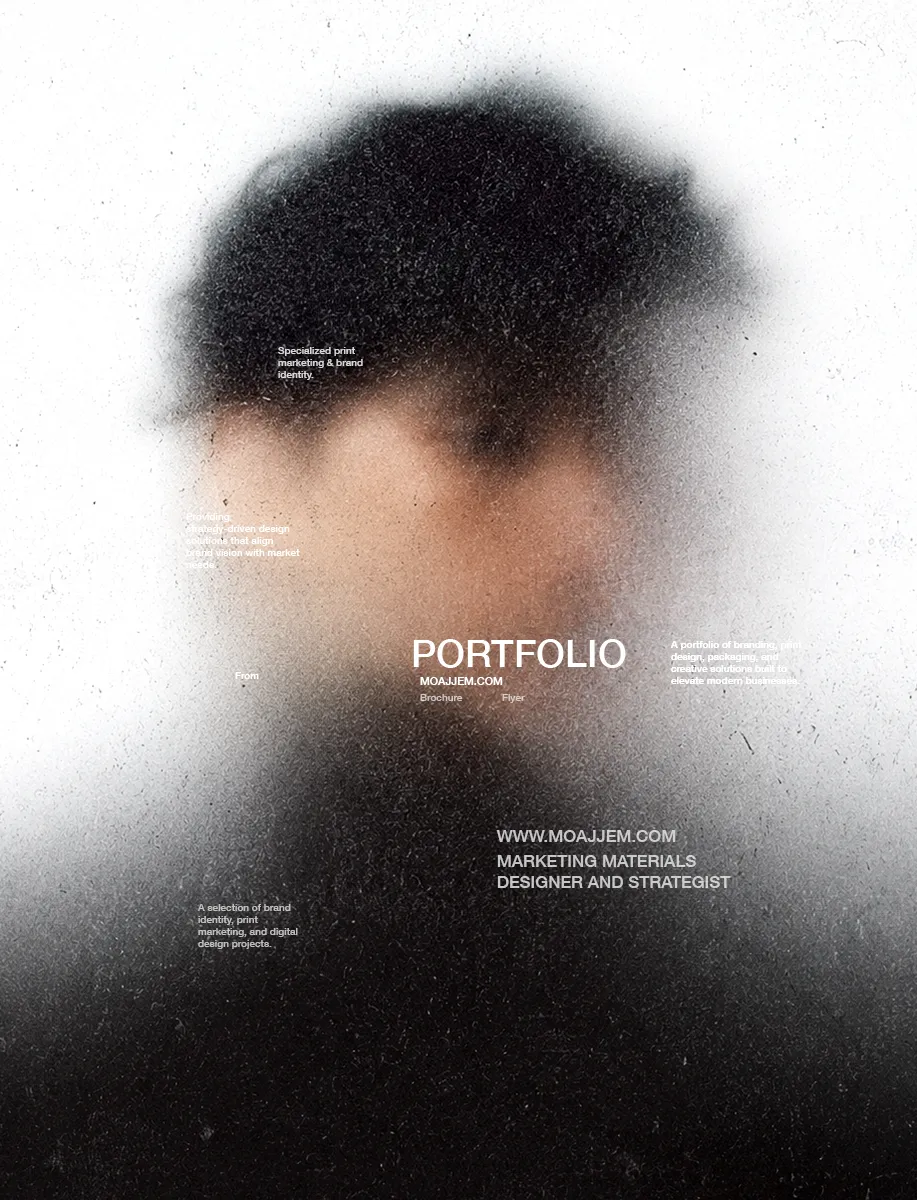
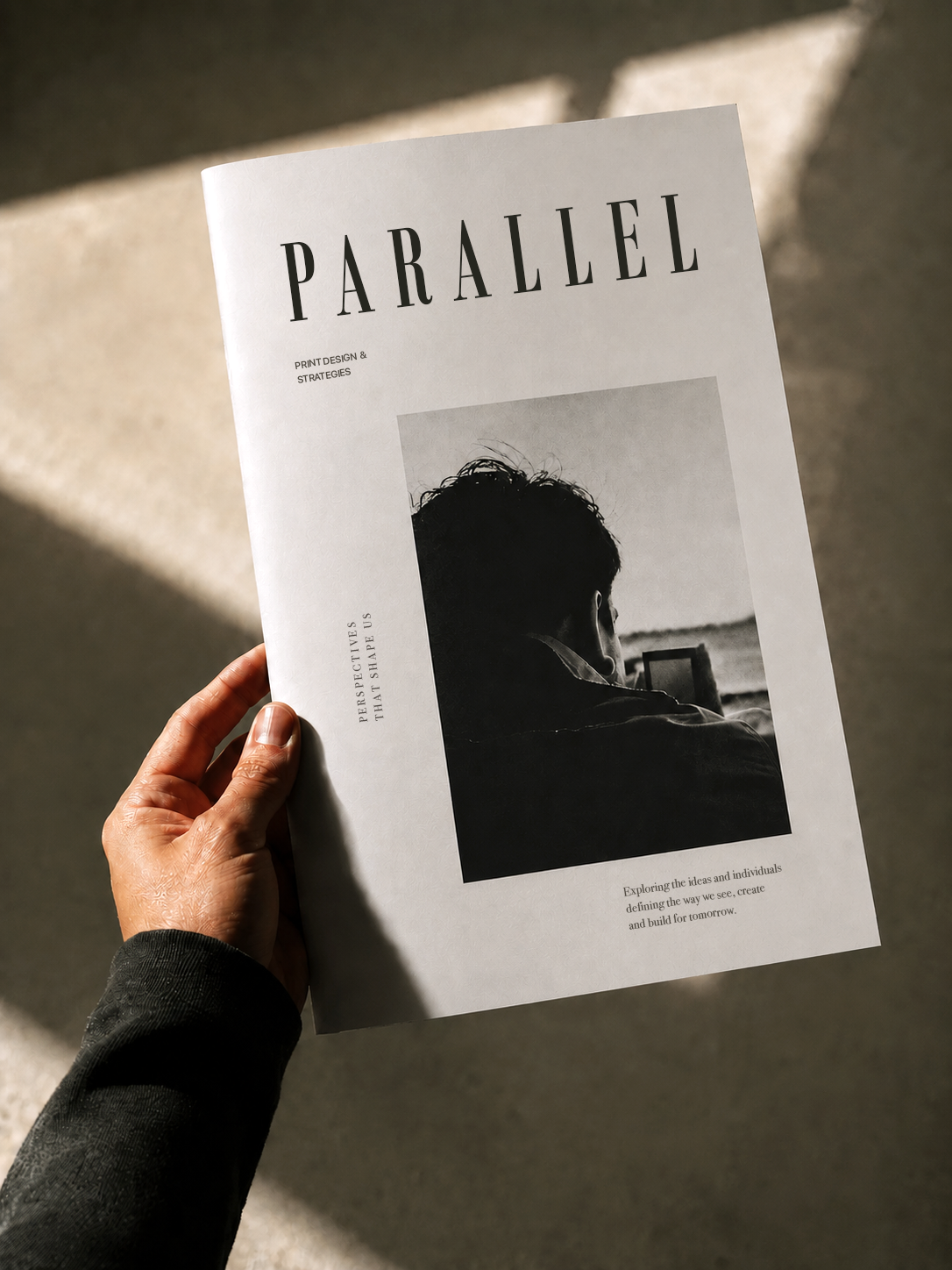
Moajjem H. - Strategic Designer Portfolio
Marketing Materials Designer and Strategist
I design print and brand assets that make your message easy to understand and support your marketing goals.
Marketing Creative
I'm Moajjem H., a graphic designer and marketing strategist with over ten years of experience. I create print and digital designs that look good and help brands reach their marketing goals.
The Breakthrough
The “Beyond Blocks” project showed me how clear, focused design can stand out. It confirmed my belief in purposeful, strategy-led work over decoration.
The Early Grind
Proudly designed Bangladesh’s official away kit for the 2021 T20 World Cup, delivering a nationally significant and globally showcased sports apparel design.
Profile
Profile presented a challenge that blended category complexity with tight timeline constraints. The brief called for a unified visual system that could be deployed across print and digital touchpoints while strengthening brand recognition. Our work began with stakeholder interviews and a rapid audit of existing materials to establish the single source of truth for voice and visual tone.
Our approach combined strategic framing with hands-on design execution: we developed a concise information architecture, prioritized key user journeys, and tested a reduced set of visual treatments. This included an adaptable typographic scale, a restrained color palette tied to brand attributes, and image language guidelines to ensure consistency across channels.
On the craft side we produced flexible assets — hero imagery treatments, modular case study templates, packaging comps, and optimized web components — so the team could maintain coherence at scale. Deliverables included final composited files, production-ready exports, and a short style sheet that guides future creative decisions.
We refined the visual hierarchy to foreground the primary offer and removed extraneous elements that distracted from conversion. Tactics included clearer call-to-action placement, improved microcopy, and imagery that communicated trust and relevance for the target audience.
The work delivered measurable value: faster internal approvals, a consistent brand presence across channels, and improved engagement where implemented. Early indicators showed stronger click-through behavior and more efficient creative production workflows for future campaigns.
T20 Kit Concept
T20 Kit Concept presented a challenge that blended category complexity with tight timeline constraints. The brief called for a unified visual system that could be deployed across print and digital touchpoints while strengthening brand recognition. Our work began with stakeholder interviews and a rapid audit of existing materials to establish the single source of truth for voice and visual tone.
Our approach combined strategic framing with hands-on design execution: we developed a concise information architecture, prioritized key user journeys, and tested a reduced set of visual treatments. This included an adaptable typographic scale, a restrained color palette tied to brand attributes, and image language guidelines to ensure consistency across channels.
On the craft side we produced flexible assets — hero imagery treatments, modular case study templates, packaging comps, and optimized web components — so the team could maintain coherence at scale. Deliverables included final composited files, production-ready exports, and a short style sheet that guides future creative decisions.
We refined the visual hierarchy to foreground the primary offer and removed extraneous elements that distracted from conversion. Tactics included clearer call-to-action placement, improved microcopy, and imagery that communicated trust and relevance for the target audience.
The work delivered measurable value: faster internal approvals, a consistent brand presence across channels, and improved engagement where implemented. Early indicators showed stronger click-through behavior and more efficient creative production workflows for future campaigns.
featured works
Client Voices
Feedback from partners and clients.
"Moajjem developed a fresh and contemporary design layout. Creative, accurate, and quick to respond."
"First time using 99Designs and we are beyond pleased! Created a perfect finished product."
"Professionalism and attention to detail exceeded expectations. Incredibly grateful for his effort."
"Great attention to detail and fast responses. Brought our ideas to life."
"Moajjem was incredibly responsive and attentive. I couldn’t be happier with the results!"
"Outstanding job capturing our brand. Clean, professional, and highly effective design work."
"Great creativity and timely revisions. Professional work and we’re very happy with the design."
"He got my idea right away. A pleasure to work with every time."
"Excellent response time. Very responsive to requests. A pleasure working with him."
"Absolutely the best. Amazing design work and deserves a full five-star review."
"Very professional with a great eye for detail. Will definitely return."
"Exceptional design work. Creative, polished, and highly professional. Strongly recommended."
"Very detailed-oriented and professional. Turned everything provided into a polished result."
"Our second project together. Fast delivery, clear communication, and revisions always on point."
"Excellent communication and delivers exactly what you ask for. Truly outstanding work."
trusted by
Brand teams worked with me on clear & useful digital product designs.
Aria Dental
Clean, brand-forward postcard for Aria Dental. Showcasing a confident group portrait and bold typographic hierarchy to promote their $99 New Patient Special. The layout ensures clear readability while maintaining the warm, professional tone of the dental practice.
By stepping away from stock imagery and using authentic team photos, the design builds an immediate human connection. The composition balances the density of information with breathing room, ensuring the offer stands out without feeling cluttered or aggressive.
The color palette was carefully calibrated to match the interior design of the clinic, creating a seamless brand experience from the mailbox to the reception desk. This consistency reinforces brand recall and elevates the perceived value of the service within the local community.
The strategy behind the postcard centered on creating immediate approachability while maintaining the professionalism expected of a dental practice. Rather than leaning into a sterile, clinical aesthetic, the design uses warm, expressive stock photography to establish an emotional connection at first glance. The composition is intentionally pared back, allowing the promotional offer to take priority without feeling aggressive. A focused color palette—rooted in rich reds and gold accents—creates a seamless continuity with Aria Dental’s brand identity and ensures strong visual recall within the dense environment of direct mail marketing.
Typography plays a foundational role in the strategic approach. A clean sans-serif typeface ensures legibility at a distance, while a decisive hierarchy guides the eye from the $99 headline to the supporting copy. The spacing, alignment, and visual rhythm were resolved to balance warmth with clarity, positioning the practice as inviting yet confident.
Infonaligy Partners
This piece was my entry for a brochure contest on 99designs. Contest holder wanted a clean and direct design for a cybersecurity report aimed at CEOs. Content needed to feel serious but still easy to read, so I used clear sections, simple icons, and a steady red and black colour style. All private details were replaced with placeholder text to protect their information.
Inside layout follows a structured flow. About Us, services, managed security points, risks, and reasons to choose their team are arranged in a way that guides readers step by step. Photos and graphics add support without making the page too busy.
Front cover uses a strong visual with a lock and digital icons to show cybersecurity focus. Contact details and title area stay simple so message feels sharp and professional. Overall design aims to present complex topics in a calm and organised manner, suitable for leadership reading.
I focused on arranging information in a way that guides CEOs step by step. Main points were brought forward, and supporting details were kept light to avoid confusion. I used calm colours, simple icons, and clear spacing to create a steady reading flow. Images were chosen to show trust, security, and real-world use, helping the message feel more relatable for leadership.
The final preview gave the contest holder a clean and organised direction for their brochure. Content became easier to follow, and key ideas stood out with less effort. Design also showed a consistent tone that could fit both print and digital use. Response from viewers was positive, and the piece demonstrated how structured layout and simple visuals can support stronger communication for cybersecurity topics.
Gl Acupuncture
This brochure is my winning entry for a trifold contest on 99designs. The contest holder describes their clinic as a professional medical practice, not a spa, and requests a design that feels clean, strong, and trustworthy. Their audience is broad, but many patients are women aged 35+, educated, active, and interested in natural healthcare. I shape the design to match this direction, focusing on clarity and medical professionalism.
Content from the clinic is organized across six panels of an A4 trifold layout. I place the name, logo, and slogan on the front, supported by a neutral and steady visual tone. Inside panels present their treatments and clinic information in a direct and well-structured manner, avoiding any spa-like style. Images and colours remain simple and controlled, showing confidence without losing warmth.
The finished brochure matches the clinic’s request for a strong, professional look while staying easy for potential patients to read. It presents acupuncture as a medical service, not a relaxation offering, and gives new clients a clear understanding of who the clinic is and what they provide.
I follow the contest brief closely, focusing on medical professionalism rather than spa themes. Layout is built to deliver information quickly and cleanly. Typography, colours, and images stay precise and restrained, supporting a feeling of trust and clinical strength. Content is arranged so readers can move panel by panel with no confusion.
The final brochure gives the contest holder a polished communication piece that aligns with their brand identity. The design speaks clearly to their target audience and presents acupuncture in a credible, medical context. It strengthens first impressions and helps the clinic position itself as a reliable wellness provider rooted in professional care.
Prima Peach
This trifold brochure is the winning design I created for a 99designs contest held by Gerawan Farming, the company behind the PRIMA® brand. The contest holder requested a modern, impactful recruitment piece that could introduce their career opportunities with clarity and energy. I used their brand colours, strong typography, and dynamic fruit imagery to match the professional tone of the company.
Inside panels present all required sections in a clear and organized flow. Information about the company, workplace advantages, technology, candidate expectations, career paths, and application steps is arranged so readers can move easily from one topic to the next. Image placeholder areas highlight where supporting photos can strengthen storytelling and show real working environments.
The final brochure gives prospective applicants a confident first look at Gerawan Farming. It communicates scale, stability, and opportunity, helping the company appear welcoming while still strong and professional. The design supports the goal of attracting motivated individuals to join their team.
The approach centers on presenting information in a strong, structured way that respects the company’s modern brand voice. I use visual weight to guide attention toward key sections while keeping the layout balanced and easy to scan. Brand colours, confident typography, and clear spacing work together to create a professional recruitment tone. Each panel is shaped to support quick understanding, especially for applicants who want direct and reliable information.
The final brochure delivers a clean, confident message that helps Gerawan Farming connect with potential employees. The design improves clarity of the recruitment process and highlights the company’s scale and professionalism. By combining modern visuals with straightforward content flow, the brochure provides an effective tool that supports hiring efforts and reinforces the PRIMA® brand identity.
Bwen Ren Container
Bwen Ren Container presented a challenge that blended category complexity with tight timeline constraints. The brief called for a unified visual system that could be deployed across print and digital touchpoints while strengthening brand recognition. Our work began with stakeholder interviews and a rapid audit of existing materials to establish the single source of truth for voice and visual tone.
Our approach combined strategic framing with hands-on design execution: we developed a concise information architecture, prioritized key user journeys, and tested a reduced set of visual treatments. This included an adaptable typographic scale, a restrained color palette tied to brand attributes, and image language guidelines to ensure consistency across channels.
On the craft side we produced flexible assets — hero imagery treatments, modular case study templates, packaging comps, and optimized web components — so the team could maintain coherence at scale. Deliverables included final composited files, production-ready exports, and a short style sheet that guides future creative decisions.
We refined the visual hierarchy to foreground the primary offer and removed extraneous elements that distracted from conversion. Tactics included clearer call-to-action placement, improved microcopy, and imagery that communicated trust and relevance for the target audience.
The work delivered measurable value: faster internal approvals, a consistent brand presence across channels, and improved engagement where implemented. Early indicators showed stronger click-through behavior and more efficient creative production workflows for future campaigns.
Dn8 Networks
A dark field of interconnected nodes stretches across the cover, lit by thin lines that look like moving signals. A bold red panel cuts through the scene and delivers the privacy message in a single strike. The contrast sets the tone right away. It feels controlled, sharp, and built for a company that works inside serious digital territory.
Inside, the mood shifts into a more technical space. One spread features the Privacy Phone, shown with clear specs, clean icons, and a balanced grey layout. The opposite page presents a glowing world view, where encrypted communication moves between two secure points. Each panel sits in its own space, guided by measured spacing and red highlights that draw the eye to security functions.
The design stays focused on clarity and strength. Every element signals a brand that values protection, precision, and trust. DN8 Networks gains a visual identity that feels steady and alert without loading the reader with noise.
Contrast leads the direction. Dark backgrounds give depth, red accents mark critical ideas, and minimal shapes support quick reading. Each section uses simple structure so technical information feels approachable while still carrying weight.
The final piece forms a strong visual voice for DN8 Networks. Readers encounter a confident mix of security, technology, and clean communication. The message lands fast, and the overall impression reflects a company that treats privacy as a core value rather than an added feature.
Brett Furman Group
A square format concept stands at the center of this entry for the Brett Furman Group contest. The idea aims for a bold real estate presence and a layout that speaks with clarity. The title All Inclusive Marketing Sets Us Apart sits on the cover as a strong promise, and the design builds its voice around that message.
Inside, the twelve step program rises one element at a time. Three dimensional tours open the door to a property. Virtual reality introduces a new way to explore space. Drone video lifts the view. Floor plans anchor the details. Photography shapes the story. Direct mail, social media, analysis, research, and concierge care form the rest of the path. Each step stands in its own frame with a visual cue and a short explanation, so the reader moves forward with ease.
The concept reaches finalist status in the contest. The piece offers a clear map of the Brett Furman Group method and gives the marketing program a strong, confident voice that fits the real estate market and the expectations of serious home sellers.
The plan aims for a layout that feels open and easy on the eyes. Every step gets a small spotlight, so nothing feels lost or hidden. Simple icons, short lines of text, and clean images keep everything moving. The goal is to let anyone pick it up and grasp the whole program in a few moments.
The brochure concept gives the Brett Furman Group a straight to the point tool that explains their full process without confusion. The message lands fast, the visuals stay clear, and the tone feels friendly but strong. The final impression shows a team that knows its system and knows how to guide a seller with confidence.
Halloween
Halloween presented a challenge that blended category complexity with tight timeline constraints. The brief called for a unified visual system that could be deployed across print and digital touchpoints while strengthening brand recognition. Our work began with stakeholder interviews and a rapid audit of existing materials to establish the single source of truth for voice and visual tone.
Our approach combined strategic framing with hands-on design execution: we developed a concise information architecture, prioritized key user journeys, and tested a reduced set of visual treatments. This included an adaptable typographic scale, a restrained color palette tied to brand attributes, and image language guidelines to ensure consistency across channels.
On the craft side we produced flexible assets — hero imagery treatments, modular case study templates, packaging comps, and optimized web components — so the team could maintain coherence at scale. Deliverables included final composited files, production-ready exports, and a short style sheet that guides future creative decisions.
We refined the visual hierarchy to foreground the primary offer and removed extraneous elements that distracted from conversion. Tactics included clearer call-to-action placement, improved microcopy, and imagery that communicated trust and relevance for the target audience.
The work delivered measurable value: faster internal approvals, a consistent brand presence across channels, and improved engagement where implemented. Early indicators showed stronger click-through behavior and more efficient creative production workflows for future campaigns.
New U Womens Clinic Aesthetics
New U Womens Clinic Aesthetics presented a challenge that blended category complexity with tight timeline constraints. The brief called for a unified visual system that could be deployed across print and digital touchpoints while strengthening brand recognition. Our work began with stakeholder interviews and a rapid audit of existing materials to establish the single source of truth for voice and visual tone.
Our approach combined strategic framing with hands-on design execution: we developed a concise information architecture, prioritized key user journeys, and tested a reduced set of visual treatments. This included an adaptable typographic scale, a restrained color palette tied to brand attributes, and image language guidelines to ensure consistency across channels.
On the craft side we produced flexible assets — hero imagery treatments, modular case study templates, packaging comps, and optimized web components — so the team could maintain coherence at scale. Deliverables included final composited files, production-ready exports, and a short style sheet that guides future creative decisions.
We refined the visual hierarchy to foreground the primary offer and removed extraneous elements that distracted from conversion. Tactics included clearer call-to-action placement, improved microcopy, and imagery that communicated trust and relevance for the target audience.
The work delivered measurable value: faster internal approvals, a consistent brand presence across channels, and improved engagement where implemented. Early indicators showed stronger click-through behavior and more efficient creative production workflows for future campaigns.
Next Gen Cryptography
Next Gen Cryptography presented a challenge that blended category complexity with tight timeline constraints. The brief called for a unified visual system that could be deployed across print and digital touchpoints while strengthening brand recognition. Our work began with stakeholder interviews and a rapid audit of existing materials to establish the single source of truth for voice and visual tone.
Our approach combined strategic framing with hands-on design execution: we developed a concise information architecture, prioritized key user journeys, and tested a reduced set of visual treatments. This included an adaptable typographic scale, a restrained color palette tied to brand attributes, and image language guidelines to ensure consistency across channels.
On the craft side we produced flexible assets — hero imagery treatments, modular case study templates, packaging comps, and optimized web components — so the team could maintain coherence at scale. Deliverables included final composited files, production-ready exports, and a short style sheet that guides future creative decisions.
We refined the visual hierarchy to foreground the primary offer and removed extraneous elements that distracted from conversion. Tactics included clearer call-to-action placement, improved microcopy, and imagery that communicated trust and relevance for the target audience.
The work delivered measurable value: faster internal approvals, a consistent brand presence across channels, and improved engagement where implemented. Early indicators showed stronger click-through behavior and more efficient creative production workflows for future campaigns.
Bwen Ren Beef Meat
Bwen Ren Beef Meat presented a challenge that blended category complexity with tight timeline constraints. The brief called for a unified visual system that could be deployed across print and digital touchpoints while strengthening brand recognition. Our work began with stakeholder interviews and a rapid audit of existing materials to establish the single source of truth for voice and visual tone.
Our approach combined strategic framing with hands-on design execution: we developed a concise information architecture, prioritized key user journeys, and tested a reduced set of visual treatments. This included an adaptable typographic scale, a restrained color palette tied to brand attributes, and image language guidelines to ensure consistency across channels.
On the craft side we produced flexible assets — hero imagery treatments, modular case study templates, packaging comps, and optimized web components — so the team could maintain coherence at scale. Deliverables included final composited files, production-ready exports, and a short style sheet that guides future creative decisions.
We refined the visual hierarchy to foreground the primary offer and removed extraneous elements that distracted from conversion. Tactics included clearer call-to-action placement, improved microcopy, and imagery that communicated trust and relevance for the target audience.
The work delivered measurable value: faster internal approvals, a consistent brand presence across channels, and improved engagement where implemented. Early indicators showed stronger click-through behavior and more efficient creative production workflows for future campaigns.
Inovo Infosec Bifold
Inovo Infosec Bifold presented a challenge that blended category complexity with tight timeline constraints. The brief called for a unified visual system that could be deployed across print and digital touchpoints while strengthening brand recognition. Our work began with stakeholder interviews and a rapid audit of existing materials to establish the single source of truth for voice and visual tone.
Our approach combined strategic framing with hands-on design execution: we developed a concise information architecture, prioritized key user journeys, and tested a reduced set of visual treatments. This included an adaptable typographic scale, a restrained color palette tied to brand attributes, and image language guidelines to ensure consistency across channels.
On the craft side we produced flexible assets — hero imagery treatments, modular case study templates, packaging comps, and optimized web components — so the team could maintain coherence at scale. Deliverables included final composited files, production-ready exports, and a short style sheet that guides future creative decisions.
We refined the visual hierarchy to foreground the primary offer and removed extraneous elements that distracted from conversion. Tactics included clearer call-to-action placement, improved microcopy, and imagery that communicated trust and relevance for the target audience.
The work delivered measurable value: faster internal approvals, a consistent brand presence across channels, and improved engagement where implemented. Early indicators showed stronger click-through behavior and more efficient creative production workflows for future campaigns.
Food Industry Executive
Food Industry Executive presented a challenge that blended category complexity with tight timeline constraints. The brief called for a unified visual system that could be deployed across print and digital touchpoints while strengthening brand recognition. Our work began with stakeholder interviews and a rapid audit of existing materials to establish the single source of truth for voice and visual tone.
Our approach combined strategic framing with hands-on design execution: we developed a concise information architecture, prioritized key user journeys, and tested a reduced set of visual treatments. This included an adaptable typographic scale, a restrained color palette tied to brand attributes, and image language guidelines to ensure consistency across channels.
On the craft side we produced flexible assets — hero imagery treatments, modular case study templates, packaging comps, and optimized web components — so the team could maintain coherence at scale. Deliverables included final composited files, production-ready exports, and a short style sheet that guides future creative decisions.
We refined the visual hierarchy to foreground the primary offer and removed extraneous elements that distracted from conversion. Tactics included clearer call-to-action placement, improved microcopy, and imagery that communicated trust and relevance for the target audience.
The work delivered measurable value: faster internal approvals, a consistent brand presence across channels, and improved engagement where implemented. Early indicators showed stronger click-through behavior and more efficient creative production workflows for future campaigns.
Luminary Ace
Luminary Ace presented a challenge that blended category complexity with tight timeline constraints. The brief called for a unified visual system that could be deployed across print and digital touchpoints while strengthening brand recognition. Our work began with stakeholder interviews and a rapid audit of existing materials to establish the single source of truth for voice and visual tone.
Our approach combined strategic framing with hands-on design execution: we developed a concise information architecture, prioritized key user journeys, and tested a reduced set of visual treatments. This included an adaptable typographic scale, a restrained color palette tied to brand attributes, and image language guidelines to ensure consistency across channels.
On the craft side we produced flexible assets — hero imagery treatments, modular case study templates, packaging comps, and optimized web components — so the team could maintain coherence at scale. Deliverables included final composited files, production-ready exports, and a short style sheet that guides future creative decisions.
We refined the visual hierarchy to foreground the primary offer and removed extraneous elements that distracted from conversion. Tactics included clearer call-to-action placement, improved microcopy, and imagery that communicated trust and relevance for the target audience.
The work delivered measurable value: faster internal approvals, a consistent brand presence across channels, and improved engagement where implemented. Early indicators showed stronger click-through behavior and more efficient creative production workflows for future campaigns.
Boss
Boss presented a challenge that blended category complexity with tight timeline constraints. The brief called for a unified visual system that could be deployed across print and digital touchpoints while strengthening brand recognition. Our work began with stakeholder interviews and a rapid audit of existing materials to establish the single source of truth for voice and visual tone.
Our approach combined strategic framing with hands-on design execution: we developed a concise information architecture, prioritized key user journeys, and tested a reduced set of visual treatments. This included an adaptable typographic scale, a restrained color palette tied to brand attributes, and image language guidelines to ensure consistency across channels.
On the craft side we produced flexible assets — hero imagery treatments, modular case study templates, packaging comps, and optimized web components — so the team could maintain coherence at scale. Deliverables included final composited files, production-ready exports, and a short style sheet that guides future creative decisions.
We refined the visual hierarchy to foreground the primary offer and removed extraneous elements that distracted from conversion. Tactics included clearer call-to-action placement, improved microcopy, and imagery that communicated trust and relevance for the target audience.
The work delivered measurable value: faster internal approvals, a consistent brand presence across channels, and improved engagement where implemented. Early indicators showed stronger click-through behavior and more efficient creative production workflows for future campaigns.
Oxford Alloys Inc
Oxford Alloys Inc presented a challenge that blended category complexity with tight timeline constraints. The brief called for a unified visual system that could be deployed across print and digital touchpoints while strengthening brand recognition. Our work began with stakeholder interviews and a rapid audit of existing materials to establish the single source of truth for voice and visual tone.
Our approach combined strategic framing with hands-on design execution: we developed a concise information architecture, prioritized key user journeys, and tested a reduced set of visual treatments. This included an adaptable typographic scale, a restrained color palette tied to brand attributes, and image language guidelines to ensure consistency across channels.
On the craft side we produced flexible assets — hero imagery treatments, modular case study templates, packaging comps, and optimized web components — so the team could maintain coherence at scale. Deliverables included final composited files, production-ready exports, and a short style sheet that guides future creative decisions.
We refined the visual hierarchy to foreground the primary offer and removed extraneous elements that distracted from conversion. Tactics included clearer call-to-action placement, improved microcopy, and imagery that communicated trust and relevance for the target audience.
The work delivered measurable value: faster internal approvals, a consistent brand presence across channels, and improved engagement where implemented. Early indicators showed stronger click-through behavior and more efficient creative production workflows for future campaigns.
First T20 Kit
First T20 Kit presented a challenge that blended category complexity with tight timeline constraints. The brief called for a unified visual system that could be deployed across print and digital touchpoints while strengthening brand recognition. Our work began with stakeholder interviews and a rapid audit of existing materials to establish the single source of truth for voice and visual tone.
Our approach combined strategic framing with hands-on design execution: we developed a concise information architecture, prioritized key user journeys, and tested a reduced set of visual treatments. This included an adaptable typographic scale, a restrained color palette tied to brand attributes, and image language guidelines to ensure consistency across channels.
On the craft side we produced flexible assets — hero imagery treatments, modular case study templates, packaging comps, and optimized web components — so the team could maintain coherence at scale. Deliverables included final composited files, production-ready exports, and a short style sheet that guides future creative decisions.
We refined the visual hierarchy to foreground the primary offer and removed extraneous elements that distracted from conversion. Tactics included clearer call-to-action placement, improved microcopy, and imagery that communicated trust and relevance for the target audience.
The work delivered measurable value: faster internal approvals, a consistent brand presence across channels, and improved engagement where implemented. Early indicators showed stronger click-through behavior and more efficient creative production workflows for future campaigns.
Architectural Portfolio
Architectural Portfolio presented a challenge that blended category complexity with tight timeline constraints. The brief called for a unified visual system that could be deployed across print and digital touchpoints while strengthening brand recognition. Our work began with stakeholder interviews and a rapid audit of existing materials to establish the single source of truth for voice and visual tone.
Our approach combined strategic framing with hands-on design execution: we developed a concise information architecture, prioritized key user journeys, and tested a reduced set of visual treatments. This included an adaptable typographic scale, a restrained color palette tied to brand attributes, and image language guidelines to ensure consistency across channels.
On the craft side we produced flexible assets — hero imagery treatments, modular case study templates, packaging comps, and optimized web components — so the team could maintain coherence at scale. Deliverables included final composited files, production-ready exports, and a short style sheet that guides future creative decisions.
We refined the visual hierarchy to foreground the primary offer and removed extraneous elements that distracted from conversion. Tactics included clearer call-to-action placement, improved microcopy, and imagery that communicated trust and relevance for the target audience.
The work delivered measurable value: faster internal approvals, a consistent brand presence across channels, and improved engagement where implemented. Early indicators showed stronger click-through behavior and more efficient creative production workflows for future campaigns.
Provision Solar
Provision Solar presented a challenge that blended category complexity with tight timeline constraints. The brief called for a unified visual system that could be deployed across print and digital touchpoints while strengthening brand recognition. Our work began with stakeholder interviews and a rapid audit of existing materials to establish the single source of truth for voice and visual tone.
Our approach combined strategic framing with hands-on design execution: we developed a concise information architecture, prioritized key user journeys, and tested a reduced set of visual treatments. This included an adaptable typographic scale, a restrained color palette tied to brand attributes, and image language guidelines to ensure consistency across channels.
On the craft side we produced flexible assets — hero imagery treatments, modular case study templates, packaging comps, and optimized web components — so the team could maintain coherence at scale. Deliverables included final composited files, production-ready exports, and a short style sheet that guides future creative decisions.
We refined the visual hierarchy to foreground the primary offer and removed extraneous elements that distracted from conversion. Tactics included clearer call-to-action placement, improved microcopy, and imagery that communicated trust and relevance for the target audience.
The work delivered measurable value: faster internal approvals, a consistent brand presence across channels, and improved engagement where implemented. Early indicators showed stronger click-through behavior and more efficient creative production workflows for future campaigns.
Kingsland Walk
Kingsland Walk presented a challenge that blended category complexity with tight timeline constraints. The brief called for a unified visual system that could be deployed across print and digital touchpoints while strengthening brand recognition. Our work began with stakeholder interviews and a rapid audit of existing materials to establish the single source of truth for voice and visual tone.
Our approach combined strategic framing with hands-on design execution: we developed a concise information architecture, prioritized key user journeys, and tested a reduced set of visual treatments. This included an adaptable typographic scale, a restrained color palette tied to brand attributes, and image language guidelines to ensure consistency across channels.
On the craft side we produced flexible assets — hero imagery treatments, modular case study templates, packaging comps, and optimized web components — so the team could maintain coherence at scale. Deliverables included final composited files, production-ready exports, and a short style sheet that guides future creative decisions.
We refined the visual hierarchy to foreground the primary offer and removed extraneous elements that distracted from conversion. Tactics included clearer call-to-action placement, improved microcopy, and imagery that communicated trust and relevance for the target audience.
The work delivered measurable value: faster internal approvals, a consistent brand presence across channels, and improved engagement where implemented. Early indicators showed stronger click-through behavior and more efficient creative production workflows for future campaigns.
Bwen Ren Meat Stick
Bwen Ren Meat Stick presented a challenge that blended category complexity with tight timeline constraints. The brief called for a unified visual system that could be deployed across print and digital touchpoints while strengthening brand recognition. Our work began with stakeholder interviews and a rapid audit of existing materials to establish the single source of truth for voice and visual tone.
Our approach combined strategic framing with hands-on design execution: we developed a concise information architecture, prioritized key user journeys, and tested a reduced set of visual treatments. This included an adaptable typographic scale, a restrained color palette tied to brand attributes, and image language guidelines to ensure consistency across channels.
On the craft side we produced flexible assets — hero imagery treatments, modular case study templates, packaging comps, and optimized web components — so the team could maintain coherence at scale. Deliverables included final composited files, production-ready exports, and a short style sheet that guides future creative decisions.
We refined the visual hierarchy to foreground the primary offer and removed extraneous elements that distracted from conversion. Tactics included clearer call-to-action placement, improved microcopy, and imagery that communicated trust and relevance for the target audience.
The work delivered measurable value: faster internal approvals, a consistent brand presence across channels, and improved engagement where implemented. Early indicators showed stronger click-through behavior and more efficient creative production workflows for future campaigns.
Aircraft Engine Lease Finance
Aircraft Engine Lease Finance presented a challenge that blended category complexity with tight timeline constraints. The brief called for a unified visual system that could be deployed across print and digital touchpoints while strengthening brand recognition. Our work began with stakeholder interviews and a rapid audit of existing materials to establish the single source of truth for voice and visual tone.
Our approach combined strategic framing with hands-on design execution: we developed a concise information architecture, prioritized key user journeys, and tested a reduced set of visual treatments. This included an adaptable typographic scale, a restrained color palette tied to brand attributes, and image language guidelines to ensure consistency across channels.
On the craft side we produced flexible assets — hero imagery treatments, modular case study templates, packaging comps, and optimized web components — so the team could maintain coherence at scale. Deliverables included final composited files, production-ready exports, and a short style sheet that guides future creative decisions.
We refined the visual hierarchy to foreground the primary offer and removed extraneous elements that distracted from conversion. Tactics included clearer call-to-action placement, improved microcopy, and imagery that communicated trust and relevance for the target audience.
The work delivered measurable value: faster internal approvals, a consistent brand presence across channels, and improved engagement where implemented. Early indicators showed stronger click-through behavior and more efficient creative production workflows for future campaigns.
Style Editorial
Style Editorial presented a challenge that blended category complexity with tight timeline constraints. The brief called for a unified visual system that could be deployed across print and digital touchpoints while strengthening brand recognition. Our work began with stakeholder interviews and a rapid audit of existing materials to establish the single source of truth for voice and visual tone.
Our approach combined strategic framing with hands-on design execution: we developed a concise information architecture, prioritized key user journeys, and tested a reduced set of visual treatments. This included an adaptable typographic scale, a restrained color palette tied to brand attributes, and image language guidelines to ensure consistency across channels.
On the craft side we produced flexible assets — hero imagery treatments, modular case study templates, packaging comps, and optimized web components — so the team could maintain coherence at scale. Deliverables included final composited files, production-ready exports, and a short style sheet that guides future creative decisions.
We refined the visual hierarchy to foreground the primary offer and removed extraneous elements that distracted from conversion. Tactics included clearer call-to-action placement, improved microcopy, and imagery that communicated trust and relevance for the target audience.
The work delivered measurable value: faster internal approvals, a consistent brand presence across channels, and improved engagement where implemented. Early indicators showed stronger click-through behavior and more efficient creative production workflows for future campaigns.
Island D Automotive
Island D Automotive presented a challenge that blended category complexity with tight timeline constraints. The brief called for a unified visual system that could be deployed across print and digital touchpoints while strengthening brand recognition. Our work began with stakeholder interviews and a rapid audit of existing materials to establish the single source of truth for voice and visual tone.
Our approach combined strategic framing with hands-on design execution: we developed a concise information architecture, prioritized key user journeys, and tested a reduced set of visual treatments. This included an adaptable typographic scale, a restrained color palette tied to brand attributes, and image language guidelines to ensure consistency across channels.
On the craft side we produced flexible assets — hero imagery treatments, modular case study templates, packaging comps, and optimized web components — so the team could maintain coherence at scale. Deliverables included final composited files, production-ready exports, and a short style sheet that guides future creative decisions.
We refined the visual hierarchy to foreground the primary offer and removed extraneous elements that distracted from conversion. Tactics included clearer call-to-action placement, improved microcopy, and imagery that communicated trust and relevance for the target audience.
The work delivered measurable value: faster internal approvals, a consistent brand presence across channels, and improved engagement where implemented. Early indicators showed stronger click-through behavior and more efficient creative production workflows for future campaigns.
Beyond Blocks
Beyond Blocks presented a challenge that blended category complexity with tight timeline constraints. The brief called for a unified visual system that could be deployed across print and digital touchpoints while strengthening brand recognition. Our work began with stakeholder interviews and a rapid audit of existing materials to establish the single source of truth for voice and visual tone.
Our approach combined strategic framing with hands-on design execution: we developed a concise information architecture, prioritized key user journeys, and tested a reduced set of visual treatments. This included an adaptable typographic scale, a restrained color palette tied to brand attributes, and image language guidelines to ensure consistency across channels.
On the craft side we produced flexible assets — hero imagery treatments, modular case study templates, packaging comps, and optimized web components — so the team could maintain coherence at scale. Deliverables included final composited files, production-ready exports, and a short style sheet that guides future creative decisions.
We refined the visual hierarchy to foreground the primary offer and removed extraneous elements that distracted from conversion. Tactics included clearer call-to-action placement, improved microcopy, and imagery that communicated trust and relevance for the target audience.
The work delivered measurable value: faster internal approvals, a consistent brand presence across channels, and improved engagement where implemented. Early indicators showed stronger click-through behavior and more efficient creative production workflows for future campaigns.
Fast Lane Race School
Fast Lane Race School presented a challenge that blended category complexity with tight timeline constraints. The brief called for a unified visual system that could be deployed across print and digital touchpoints while strengthening brand recognition. Our work began with stakeholder interviews and a rapid audit of existing materials to establish the single source of truth for voice and visual tone.
Our approach combined strategic framing with hands-on design execution: we developed a concise information architecture, prioritized key user journeys, and tested a reduced set of visual treatments. This included an adaptable typographic scale, a restrained color palette tied to brand attributes, and image language guidelines to ensure consistency across channels.
On the craft side we produced flexible assets — hero imagery treatments, modular case study templates, packaging comps, and optimized web components — so the team could maintain coherence at scale. Deliverables included final composited files, production-ready exports, and a short style sheet that guides future creative decisions.
We refined the visual hierarchy to foreground the primary offer and removed extraneous elements that distracted from conversion. Tactics included clearer call-to-action placement, improved microcopy, and imagery that communicated trust and relevance for the target audience.
The work delivered measurable value: faster internal approvals, a consistent brand presence across channels, and improved engagement where implemented. Early indicators showed stronger click-through behavior and more efficient creative production workflows for future campaigns.
Thank You
Thank You presented a challenge that blended category complexity with tight timeline constraints. The brief called for a unified visual system that could be deployed across print and digital touchpoints while strengthening brand recognition. Our work began with stakeholder interviews and a rapid audit of existing materials to establish the single source of truth for voice and visual tone.
Our approach combined strategic framing with hands-on design execution: we developed a concise information architecture, prioritized key user journeys, and tested a reduced set of visual treatments. This included an adaptable typographic scale, a restrained color palette tied to brand attributes, and image language guidelines to ensure consistency across channels.
On the craft side we produced flexible assets — hero imagery treatments, modular case study templates, packaging comps, and optimized web components — so the team could maintain coherence at scale. Deliverables included final composited files, production-ready exports, and a short style sheet that guides future creative decisions.
We refined the visual hierarchy to foreground the primary offer and removed extraneous elements that distracted from conversion. Tactics included clearer call-to-action placement, improved microcopy, and imagery that communicated trust and relevance for the target audience.
The work delivered measurable value: faster internal approvals, a consistent brand presence across channels, and improved engagement where implemented. Early indicators showed stronger click-through behavior and more efficient creative production workflows for future campaigns.
Summit It Solutions
Summit It Solutions presented a challenge that blended category complexity with tight timeline constraints. The brief called for a unified visual system that could be deployed across print and digital touchpoints while strengthening brand recognition. Our work began with stakeholder interviews and a rapid audit of existing materials to establish the single source of truth for voice and visual tone.
Our approach combined strategic framing with hands-on design execution: we developed a concise information architecture, prioritized key user journeys, and tested a reduced set of visual treatments. This included an adaptable typographic scale, a restrained color palette tied to brand attributes, and image language guidelines to ensure consistency across channels.
On the craft side we produced flexible assets — hero imagery treatments, modular case study templates, packaging comps, and optimized web components — so the team could maintain coherence at scale. Deliverables included final composited files, production-ready exports, and a short style sheet that guides future creative decisions.
We refined the visual hierarchy to foreground the primary offer and removed extraneous elements that distracted from conversion. Tactics included clearer call-to-action placement, improved microcopy, and imagery that communicated trust and relevance for the target audience.
The work delivered measurable value: faster internal approvals, a consistent brand presence across channels, and improved engagement where implemented. Early indicators showed stronger click-through behavior and more efficient creative production workflows for future campaigns.
Acubed It
Acubed It presented a challenge that blended category complexity with tight timeline constraints. The brief called for a unified visual system that could be deployed across print and digital touchpoints while strengthening brand recognition. Our work began with stakeholder interviews and a rapid audit of existing materials to establish the single source of truth for voice and visual tone.
Our approach combined strategic framing with hands-on design execution: we developed a concise information architecture, prioritized key user journeys, and tested a reduced set of visual treatments. This included an adaptable typographic scale, a restrained color palette tied to brand attributes, and image language guidelines to ensure consistency across channels.
On the craft side we produced flexible assets — hero imagery treatments, modular case study templates, packaging comps, and optimized web components — so the team could maintain coherence at scale. Deliverables included final composited files, production-ready exports, and a short style sheet that guides future creative decisions.
We refined the visual hierarchy to foreground the primary offer and removed extraneous elements that distracted from conversion. Tactics included clearer call-to-action placement, improved microcopy, and imagery that communicated trust and relevance for the target audience.
The work delivered measurable value: faster internal approvals, a consistent brand presence across channels, and improved engagement where implemented. Early indicators showed stronger click-through behavior and more efficient creative production workflows for future campaigns.
Real Schule I2025 Editioni
Real Schule I2025 Editioni presented a challenge that blended category complexity with tight timeline constraints. The brief called for a unified visual system that could be deployed across print and digital touchpoints while strengthening brand recognition. Our work began with stakeholder interviews and a rapid audit of existing materials to establish the single source of truth for voice and visual tone.
Our approach combined strategic framing with hands-on design execution: we developed a concise information architecture, prioritized key user journeys, and tested a reduced set of visual treatments. This included an adaptable typographic scale, a restrained color palette tied to brand attributes, and image language guidelines to ensure consistency across channels.
On the craft side we produced flexible assets — hero imagery treatments, modular case study templates, packaging comps, and optimized web components — so the team could maintain coherence at scale. Deliverables included final composited files, production-ready exports, and a short style sheet that guides future creative decisions.
We refined the visual hierarchy to foreground the primary offer and removed extraneous elements that distracted from conversion. Tactics included clearer call-to-action placement, improved microcopy, and imagery that communicated trust and relevance for the target audience.
The work delivered measurable value: faster internal approvals, a consistent brand presence across channels, and improved engagement where implemented. Early indicators showed stronger click-through behavior and more efficient creative production workflows for future campaigns.
Thinskins Socks
Thinskins Socks presented a challenge that blended category complexity with tight timeline constraints. The brief called for a unified visual system that could be deployed across print and digital touchpoints while strengthening brand recognition. Our work began with stakeholder interviews and a rapid audit of existing materials to establish the single source of truth for voice and visual tone.
Our approach combined strategic framing with hands-on design execution: we developed a concise information architecture, prioritized key user journeys, and tested a reduced set of visual treatments. This included an adaptable typographic scale, a restrained color palette tied to brand attributes, and image language guidelines to ensure consistency across channels.
On the craft side we produced flexible assets — hero imagery treatments, modular case study templates, packaging comps, and optimized web components — so the team could maintain coherence at scale. Deliverables included final composited files, production-ready exports, and a short style sheet that guides future creative decisions.
We refined the visual hierarchy to foreground the primary offer and removed extraneous elements that distracted from conversion. Tactics included clearer call-to-action placement, improved microcopy, and imagery that communicated trust and relevance for the target audience.
The work delivered measurable value: faster internal approvals, a consistent brand presence across channels, and improved engagement where implemented. Early indicators showed stronger click-through behavior and more efficient creative production workflows for future campaigns.
Inovo Infosec Trifold
Inovo Infosec Trifold presented a challenge that blended category complexity with tight timeline constraints. The brief called for a unified visual system that could be deployed across print and digital touchpoints while strengthening brand recognition. Our work began with stakeholder interviews and a rapid audit of existing materials to establish the single source of truth for voice and visual tone.
Our approach combined strategic framing with hands-on design execution: we developed a concise information architecture, prioritized key user journeys, and tested a reduced set of visual treatments. This included an adaptable typographic scale, a restrained color palette tied to brand attributes, and image language guidelines to ensure consistency across channels.
On the craft side we produced flexible assets — hero imagery treatments, modular case study templates, packaging comps, and optimized web components — so the team could maintain coherence at scale. Deliverables included final composited files, production-ready exports, and a short style sheet that guides future creative decisions.
We refined the visual hierarchy to foreground the primary offer and removed extraneous elements that distracted from conversion. Tactics included clearer call-to-action placement, improved microcopy, and imagery that communicated trust and relevance for the target audience.
The work delivered measurable value: faster internal approvals, a consistent brand presence across channels, and improved engagement where implemented. Early indicators showed stronger click-through behavior and more efficient creative production workflows for future campaigns.
Empire Wheels
Empire Wheels presented a challenge that blended category complexity with tight timeline constraints. The brief called for a unified visual system that could be deployed across print and digital touchpoints while strengthening brand recognition. Our work began with stakeholder interviews and a rapid audit of existing materials to establish the single source of truth for voice and visual tone.
Our approach combined strategic framing with hands-on design execution: we developed a concise information architecture, prioritized key user journeys, and tested a reduced set of visual treatments. This included an adaptable typographic scale, a restrained color palette tied to brand attributes, and image language guidelines to ensure consistency across channels.
On the craft side we produced flexible assets — hero imagery treatments, modular case study templates, packaging comps, and optimized web components — so the team could maintain coherence at scale. Deliverables included final composited files, production-ready exports, and a short style sheet that guides future creative decisions.
We refined the visual hierarchy to foreground the primary offer and removed extraneous elements that distracted from conversion. Tactics included clearer call-to-action placement, improved microcopy, and imagery that communicated trust and relevance for the target audience.
The work delivered measurable value: faster internal approvals, a consistent brand presence across channels, and improved engagement where implemented. Early indicators showed stronger click-through behavior and more efficient creative production workflows for future campaigns.
Christian Life Coach
Christian Life Coach presented a challenge that blended category complexity with tight timeline constraints. The brief called for a unified visual system that could be deployed across print and digital touchpoints while strengthening brand recognition. Our work began with stakeholder interviews and a rapid audit of existing materials to establish the single source of truth for voice and visual tone.
Our approach combined strategic framing with hands-on design execution: we developed a concise information architecture, prioritized key user journeys, and tested a reduced set of visual treatments. This included an adaptable typographic scale, a restrained color palette tied to brand attributes, and image language guidelines to ensure consistency across channels.
On the craft side we produced flexible assets — hero imagery treatments, modular case study templates, packaging comps, and optimized web components — so the team could maintain coherence at scale. Deliverables included final composited files, production-ready exports, and a short style sheet that guides future creative decisions.
We refined the visual hierarchy to foreground the primary offer and removed extraneous elements that distracted from conversion. Tactics included clearer call-to-action placement, improved microcopy, and imagery that communicated trust and relevance for the target audience.
The work delivered measurable value: faster internal approvals, a consistent brand presence across channels, and improved engagement where implemented. Early indicators showed stronger click-through behavior and more efficient creative production workflows for future campaigns.
Mot Solutions
Mot Solutions presented a challenge that blended category complexity with tight timeline constraints. The brief called for a unified visual system that could be deployed across print and digital touchpoints while strengthening brand recognition. Our work began with stakeholder interviews and a rapid audit of existing materials to establish the single source of truth for voice and visual tone.
Our approach combined strategic framing with hands-on design execution: we developed a concise information architecture, prioritized key user journeys, and tested a reduced set of visual treatments. This included an adaptable typographic scale, a restrained color palette tied to brand attributes, and image language guidelines to ensure consistency across channels.
On the craft side we produced flexible assets — hero imagery treatments, modular case study templates, packaging comps, and optimized web components — so the team could maintain coherence at scale. Deliverables included final composited files, production-ready exports, and a short style sheet that guides future creative decisions.
We refined the visual hierarchy to foreground the primary offer and removed extraneous elements that distracted from conversion. Tactics included clearer call-to-action placement, improved microcopy, and imagery that communicated trust and relevance for the target audience.
The work delivered measurable value: faster internal approvals, a consistent brand presence across channels, and improved engagement where implemented. Early indicators showed stronger click-through behavior and more efficient creative production workflows for future campaigns.
The Firm Advertising Agency
The Firm Advertising Agency presented a challenge that blended category complexity with tight timeline constraints. The brief called for a unified visual system that could be deployed across print and digital touchpoints while strengthening brand recognition. Our work began with stakeholder interviews and a rapid audit of existing materials to establish the single source of truth for voice and visual tone.
Our approach combined strategic framing with hands-on design execution: we developed a concise information architecture, prioritized key user journeys, and tested a reduced set of visual treatments. This included an adaptable typographic scale, a restrained color palette tied to brand attributes, and image language guidelines to ensure consistency across channels.
On the craft side we produced flexible assets — hero imagery treatments, modular case study templates, packaging comps, and optimized web components — so the team could maintain coherence at scale. Deliverables included final composited files, production-ready exports, and a short style sheet that guides future creative decisions.
We refined the visual hierarchy to foreground the primary offer and removed extraneous elements that distracted from conversion. Tactics included clearer call-to-action placement, improved microcopy, and imagery that communicated trust and relevance for the target audience.
The work delivered measurable value: faster internal approvals, a consistent brand presence across channels, and improved engagement where implemented. Early indicators showed stronger click-through behavior and more efficient creative production workflows for future campaigns.
Digital Illustration Set
Digital Illustration Set presented a challenge that blended category complexity with tight timeline constraints. The brief called for a unified visual system that could be deployed across print and digital touchpoints while strengthening brand recognition. Our work began with stakeholder interviews and a rapid audit of existing materials to establish the single source of truth for voice and visual tone.
Our approach combined strategic framing with hands-on design execution: we developed a concise information architecture, prioritized key user journeys, and tested a reduced set of visual treatments. This included an adaptable typographic scale, a restrained color palette tied to brand attributes, and image language guidelines to ensure consistency across channels.
On the craft side we produced flexible assets — hero imagery treatments, modular case study templates, packaging comps, and optimized web components — so the team could maintain coherence at scale. Deliverables included final composited files, production-ready exports, and a short style sheet that guides future creative decisions.
We refined the visual hierarchy to foreground the primary offer and removed extraneous elements that distracted from conversion. Tactics included clearer call-to-action placement, improved microcopy, and imagery that communicated trust and relevance for the target audience.
The work delivered measurable value: faster internal approvals, a consistent brand presence across channels, and improved engagement where implemented. Early indicators showed stronger click-through behavior and more efficient creative production workflows for future campaigns.
Fitbeyond
Fitbeyond presented a challenge that blended category complexity with tight timeline constraints. The brief called for a unified visual system that could be deployed across print and digital touchpoints while strengthening brand recognition. Our work began with stakeholder interviews and a rapid audit of existing materials to establish the single source of truth for voice and visual tone.
Our approach combined strategic framing with hands-on design execution: we developed a concise information architecture, prioritized key user journeys, and tested a reduced set of visual treatments. This included an adaptable typographic scale, a restrained color palette tied to brand attributes, and image language guidelines to ensure consistency across channels.
On the craft side we produced flexible assets — hero imagery treatments, modular case study templates, packaging comps, and optimized web components — so the team could maintain coherence at scale. Deliverables included final composited files, production-ready exports, and a short style sheet that guides future creative decisions.
We refined the visual hierarchy to foreground the primary offer and removed extraneous elements that distracted from conversion. Tactics included clearer call-to-action placement, improved microcopy, and imagery that communicated trust and relevance for the target audience.
The work delivered measurable value: faster internal approvals, a consistent brand presence across channels, and improved engagement where implemented. Early indicators showed stronger click-through behavior and more efficient creative production workflows for future campaigns.
Cross Domain Hybrid Application Framework
Cross Domain Hybrid Application Framework presented a challenge that blended category complexity with tight timeline constraints. The brief called for a unified visual system that could be deployed across print and digital touchpoints while strengthening brand recognition. Our work began with stakeholder interviews and a rapid audit of existing materials to establish the single source of truth for voice and visual tone.
Our approach combined strategic framing with hands-on design execution: we developed a concise information architecture, prioritized key user journeys, and tested a reduced set of visual treatments. This included an adaptable typographic scale, a restrained color palette tied to brand attributes, and image language guidelines to ensure consistency across channels.
On the craft side we produced flexible assets — hero imagery treatments, modular case study templates, packaging comps, and optimized web components — so the team could maintain coherence at scale. Deliverables included final composited files, production-ready exports, and a short style sheet that guides future creative decisions.
We refined the visual hierarchy to foreground the primary offer and removed extraneous elements that distracted from conversion. Tactics included clearer call-to-action placement, improved microcopy, and imagery that communicated trust and relevance for the target audience.
The work delivered measurable value: faster internal approvals, a consistent brand presence across channels, and improved engagement where implemented. Early indicators showed stronger click-through behavior and more efficient creative production workflows for future campaigns.
Basebitai
Basebitai presented a challenge that blended category complexity with tight timeline constraints. The brief called for a unified visual system that could be deployed across print and digital touchpoints while strengthening brand recognition. Our work began with stakeholder interviews and a rapid audit of existing materials to establish the single source of truth for voice and visual tone.
Our approach combined strategic framing with hands-on design execution: we developed a concise information architecture, prioritized key user journeys, and tested a reduced set of visual treatments. This included an adaptable typographic scale, a restrained color palette tied to brand attributes, and image language guidelines to ensure consistency across channels.
On the craft side we produced flexible assets — hero imagery treatments, modular case study templates, packaging comps, and optimized web components — so the team could maintain coherence at scale. Deliverables included final composited files, production-ready exports, and a short style sheet that guides future creative decisions.
We refined the visual hierarchy to foreground the primary offer and removed extraneous elements that distracted from conversion. Tactics included clearer call-to-action placement, improved microcopy, and imagery that communicated trust and relevance for the target audience.
The work delivered measurable value: faster internal approvals, a consistent brand presence across channels, and improved engagement where implemented. Early indicators showed stronger click-through behavior and more efficient creative production workflows for future campaigns.
Rs Detailing
Rs Detailing presented a challenge that blended category complexity with tight timeline constraints. The brief called for a unified visual system that could be deployed across print and digital touchpoints while strengthening brand recognition. Our work began with stakeholder interviews and a rapid audit of existing materials to establish the single source of truth for voice and visual tone.
Our approach combined strategic framing with hands-on design execution: we developed a concise information architecture, prioritized key user journeys, and tested a reduced set of visual treatments. This included an adaptable typographic scale, a restrained color palette tied to brand attributes, and image language guidelines to ensure consistency across channels.
On the craft side we produced flexible assets — hero imagery treatments, modular case study templates, packaging comps, and optimized web components — so the team could maintain coherence at scale. Deliverables included final composited files, production-ready exports, and a short style sheet that guides future creative decisions.
We refined the visual hierarchy to foreground the primary offer and removed extraneous elements that distracted from conversion. Tactics included clearer call-to-action placement, improved microcopy, and imagery that communicated trust and relevance for the target audience.
The work delivered measurable value: faster internal approvals, a consistent brand presence across channels, and improved engagement where implemented. Early indicators showed stronger click-through behavior and more efficient creative production workflows for future campaigns.
Mushroom Set
Mushroom Set presented a challenge that blended category complexity with tight timeline constraints. The brief called for a unified visual system that could be deployed across print and digital touchpoints while strengthening brand recognition. Our work began with stakeholder interviews and a rapid audit of existing materials to establish the single source of truth for voice and visual tone.
Our approach combined strategic framing with hands-on design execution: we developed a concise information architecture, prioritized key user journeys, and tested a reduced set of visual treatments. This included an adaptable typographic scale, a restrained color palette tied to brand attributes, and image language guidelines to ensure consistency across channels.
On the craft side we produced flexible assets — hero imagery treatments, modular case study templates, packaging comps, and optimized web components — so the team could maintain coherence at scale. Deliverables included final composited files, production-ready exports, and a short style sheet that guides future creative decisions.
We refined the visual hierarchy to foreground the primary offer and removed extraneous elements that distracted from conversion. Tactics included clearer call-to-action placement, improved microcopy, and imagery that communicated trust and relevance for the target audience.
The work delivered measurable value: faster internal approvals, a consistent brand presence across channels, and improved engagement where implemented. Early indicators showed stronger click-through behavior and more efficient creative production workflows for future campaigns.
Olivia Ethan
Olivia Ethan presented a challenge that blended category complexity with tight timeline constraints. The brief called for a unified visual system that could be deployed across print and digital touchpoints while strengthening brand recognition. Our work began with stakeholder interviews and a rapid audit of existing materials to establish the single source of truth for voice and visual tone.
Our approach combined strategic framing with hands-on design execution: we developed a concise information architecture, prioritized key user journeys, and tested a reduced set of visual treatments. This included an adaptable typographic scale, a restrained color palette tied to brand attributes, and image language guidelines to ensure consistency across channels.
On the craft side we produced flexible assets — hero imagery treatments, modular case study templates, packaging comps, and optimized web components — so the team could maintain coherence at scale. Deliverables included final composited files, production-ready exports, and a short style sheet that guides future creative decisions.
We refined the visual hierarchy to foreground the primary offer and removed extraneous elements that distracted from conversion. Tactics included clearer call-to-action placement, improved microcopy, and imagery that communicated trust and relevance for the target audience.
The work delivered measurable value: faster internal approvals, a consistent brand presence across channels, and improved engagement where implemented. Early indicators showed stronger click-through behavior and more efficient creative production workflows for future campaigns.
Vx360 Networks
Vx360 Networks presented a challenge that blended category complexity with tight timeline constraints. The brief called for a unified visual system that could be deployed across print and digital touchpoints while strengthening brand recognition. Our work began with stakeholder interviews and a rapid audit of existing materials to establish the single source of truth for voice and visual tone.
Our approach combined strategic framing with hands-on design execution: we developed a concise information architecture, prioritized key user journeys, and tested a reduced set of visual treatments. This included an adaptable typographic scale, a restrained color palette tied to brand attributes, and image language guidelines to ensure consistency across channels.
On the craft side we produced flexible assets — hero imagery treatments, modular case study templates, packaging comps, and optimized web components — so the team could maintain coherence at scale. Deliverables included final composited files, production-ready exports, and a short style sheet that guides future creative decisions.
We refined the visual hierarchy to foreground the primary offer and removed extraneous elements that distracted from conversion. Tactics included clearer call-to-action placement, improved microcopy, and imagery that communicated trust and relevance for the target audience.
The work delivered measurable value: faster internal approvals, a consistent brand presence across channels, and improved engagement where implemented. Early indicators showed stronger click-through behavior and more efficient creative production workflows for future campaigns.
Integrity It Services
Integrity It Services presented a challenge that blended category complexity with tight timeline constraints. The brief called for a unified visual system that could be deployed across print and digital touchpoints while strengthening brand recognition. Our work began with stakeholder interviews and a rapid audit of existing materials to establish the single source of truth for voice and visual tone.
Our approach combined strategic framing with hands-on design execution: we developed a concise information architecture, prioritized key user journeys, and tested a reduced set of visual treatments. This included an adaptable typographic scale, a restrained color palette tied to brand attributes, and image language guidelines to ensure consistency across channels.
On the craft side we produced flexible assets — hero imagery treatments, modular case study templates, packaging comps, and optimized web components — so the team could maintain coherence at scale. Deliverables included final composited files, production-ready exports, and a short style sheet that guides future creative decisions.
We refined the visual hierarchy to foreground the primary offer and removed extraneous elements that distracted from conversion. Tactics included clearer call-to-action placement, improved microcopy, and imagery that communicated trust and relevance for the target audience.
The work delivered measurable value: faster internal approvals, a consistent brand presence across channels, and improved engagement where implemented. Early indicators showed stronger click-through behavior and more efficient creative production workflows for future campaigns.
Hot Air Balloons
Hot Air Balloons presented a challenge that blended category complexity with tight timeline constraints. The brief called for a unified visual system that could be deployed across print and digital touchpoints while strengthening brand recognition. Our work began with stakeholder interviews and a rapid audit of existing materials to establish the single source of truth for voice and visual tone.
Our approach combined strategic framing with hands-on design execution: we developed a concise information architecture, prioritized key user journeys, and tested a reduced set of visual treatments. This included an adaptable typographic scale, a restrained color palette tied to brand attributes, and image language guidelines to ensure consistency across channels.
On the craft side we produced flexible assets — hero imagery treatments, modular case study templates, packaging comps, and optimized web components — so the team could maintain coherence at scale. Deliverables included final composited files, production-ready exports, and a short style sheet that guides future creative decisions.
We refined the visual hierarchy to foreground the primary offer and removed extraneous elements that distracted from conversion. Tactics included clearer call-to-action placement, improved microcopy, and imagery that communicated trust and relevance for the target audience.
The work delivered measurable value: faster internal approvals, a consistent brand presence across channels, and improved engagement where implemented. Early indicators showed stronger click-through behavior and more efficient creative production workflows for future campaigns.
Noble Empire
Noble Empire presented a challenge that blended category complexity with tight timeline constraints. The brief called for a unified visual system that could be deployed across print and digital touchpoints while strengthening brand recognition. Our work began with stakeholder interviews and a rapid audit of existing materials to establish the single source of truth for voice and visual tone.
Our approach combined strategic framing with hands-on design execution: we developed a concise information architecture, prioritized key user journeys, and tested a reduced set of visual treatments. This included an adaptable typographic scale, a restrained color palette tied to brand attributes, and image language guidelines to ensure consistency across channels.
On the craft side we produced flexible assets — hero imagery treatments, modular case study templates, packaging comps, and optimized web components — so the team could maintain coherence at scale. Deliverables included final composited files, production-ready exports, and a short style sheet that guides future creative decisions.
We refined the visual hierarchy to foreground the primary offer and removed extraneous elements that distracted from conversion. Tactics included clearer call-to-action placement, improved microcopy, and imagery that communicated trust and relevance for the target audience.
The work delivered measurable value: faster internal approvals, a consistent brand presence across channels, and improved engagement where implemented. Early indicators showed stronger click-through behavior and more efficient creative production workflows for future campaigns.
Moajjem H Identity
Moajjem H Identity presented a challenge that blended category complexity with tight timeline constraints. The brief called for a unified visual system that could be deployed across print and digital touchpoints while strengthening brand recognition. Our work began with stakeholder interviews and a rapid audit of existing materials to establish the single source of truth for voice and visual tone.
Our approach combined strategic framing with hands-on design execution: we developed a concise information architecture, prioritized key user journeys, and tested a reduced set of visual treatments. This included an adaptable typographic scale, a restrained color palette tied to brand attributes, and image language guidelines to ensure consistency across channels.
On the craft side we produced flexible assets — hero imagery treatments, modular case study templates, packaging comps, and optimized web components — so the team could maintain coherence at scale. Deliverables included final composited files, production-ready exports, and a short style sheet that guides future creative decisions.
We refined the visual hierarchy to foreground the primary offer and removed extraneous elements that distracted from conversion. Tactics included clearer call-to-action placement, improved microcopy, and imagery that communicated trust and relevance for the target audience.
The work delivered measurable value: faster internal approvals, a consistent brand presence across channels, and improved engagement where implemented. Early indicators showed stronger click-through behavior and more efficient creative production workflows for future campaigns.
T20 Wc 2021 Bangladesh Cricket
T20 Wc 2021 Bangladesh Cricket presented a challenge that blended category complexity with tight timeline constraints. The brief called for a unified visual system that could be deployed across print and digital touchpoints while strengthening brand recognition. Our work began with stakeholder interviews and a rapid audit of existing materials to establish the single source of truth for voice and visual tone.
Our approach combined strategic framing with hands-on design execution: we developed a concise information architecture, prioritized key user journeys, and tested a reduced set of visual treatments. This included an adaptable typographic scale, a restrained color palette tied to brand attributes, and image language guidelines to ensure consistency across channels.
On the craft side we produced flexible assets — hero imagery treatments, modular case study templates, packaging comps, and optimized web components — so the team could maintain coherence at scale. Deliverables included final composited files, production-ready exports, and a short style sheet that guides future creative decisions.
We refined the visual hierarchy to foreground the primary offer and removed extraneous elements that distracted from conversion. Tactics included clearer call-to-action placement, improved microcopy, and imagery that communicated trust and relevance for the target audience.
The work delivered measurable value: faster internal approvals, a consistent brand presence across channels, and improved engagement where implemented. Early indicators showed stronger click-through behavior and more efficient creative production workflows for future campaigns.
Goren Kidon
Goren Kidon presented a challenge that blended category complexity with tight timeline constraints. The brief called for a unified visual system that could be deployed across print and digital touchpoints while strengthening brand recognition. Our work began with stakeholder interviews and a rapid audit of existing materials to establish the single source of truth for voice and visual tone.
Our approach combined strategic framing with hands-on design execution: we developed a concise information architecture, prioritized key user journeys, and tested a reduced set of visual treatments. This included an adaptable typographic scale, a restrained color palette tied to brand attributes, and image language guidelines to ensure consistency across channels.
On the craft side we produced flexible assets — hero imagery treatments, modular case study templates, packaging comps, and optimized web components — so the team could maintain coherence at scale. Deliverables included final composited files, production-ready exports, and a short style sheet that guides future creative decisions.
We refined the visual hierarchy to foreground the primary offer and removed extraneous elements that distracted from conversion. Tactics included clearer call-to-action placement, improved microcopy, and imagery that communicated trust and relevance for the target audience.
The work delivered measurable value: faster internal approvals, a consistent brand presence across channels, and improved engagement where implemented. Early indicators showed stronger click-through behavior and more efficient creative production workflows for future campaigns.
Alex Zhen
Alex Zhen presented a challenge that blended category complexity with tight timeline constraints. The brief called for a unified visual system that could be deployed across print and digital touchpoints while strengthening brand recognition. Our work began with stakeholder interviews and a rapid audit of existing materials to establish the single source of truth for voice and visual tone.
Our approach combined strategic framing with hands-on design execution: we developed a concise information architecture, prioritized key user journeys, and tested a reduced set of visual treatments. This included an adaptable typographic scale, a restrained color palette tied to brand attributes, and image language guidelines to ensure consistency across channels.
On the craft side we produced flexible assets — hero imagery treatments, modular case study templates, packaging comps, and optimized web components — so the team could maintain coherence at scale. Deliverables included final composited files, production-ready exports, and a short style sheet that guides future creative decisions.
We refined the visual hierarchy to foreground the primary offer and removed extraneous elements that distracted from conversion. Tactics included clearer call-to-action placement, improved microcopy, and imagery that communicated trust and relevance for the target audience.
The work delivered measurable value: faster internal approvals, a consistent brand presence across channels, and improved engagement where implemented. Early indicators showed stronger click-through behavior and more efficient creative production workflows for future campaigns.
Rajshahi Warriors Concept Jersey
Rajshahi Warriors Concept Jersey presented a challenge that blended category complexity with tight timeline constraints. The brief called for a unified visual system that could be deployed across print and digital touchpoints while strengthening brand recognition. Our work began with stakeholder interviews and a rapid audit of existing materials to establish the single source of truth for voice and visual tone.
Our approach combined strategic framing with hands-on design execution: we developed a concise information architecture, prioritized key user journeys, and tested a reduced set of visual treatments. This included an adaptable typographic scale, a restrained color palette tied to brand attributes, and image language guidelines to ensure consistency across channels.
On the craft side we produced flexible assets — hero imagery treatments, modular case study templates, packaging comps, and optimized web components — so the team could maintain coherence at scale. Deliverables included final composited files, production-ready exports, and a short style sheet that guides future creative decisions.
We refined the visual hierarchy to foreground the primary offer and removed extraneous elements that distracted from conversion. Tactics included clearer call-to-action placement, improved microcopy, and imagery that communicated trust and relevance for the target audience.
The work delivered measurable value: faster internal approvals, a consistent brand presence across channels, and improved engagement where implemented. Early indicators showed stronger click-through behavior and more efficient creative production workflows for future campaigns.
Image Auto Detailing
Image Auto Detailing presented a challenge that blended category complexity with tight timeline constraints. The brief called for a unified visual system that could be deployed across print and digital touchpoints while strengthening brand recognition. Our work began with stakeholder interviews and a rapid audit of existing materials to establish the single source of truth for voice and visual tone.
Our approach combined strategic framing with hands-on design execution: we developed a concise information architecture, prioritized key user journeys, and tested a reduced set of visual treatments. This included an adaptable typographic scale, a restrained color palette tied to brand attributes, and image language guidelines to ensure consistency across channels.
On the craft side we produced flexible assets — hero imagery treatments, modular case study templates, packaging comps, and optimized web components — so the team could maintain coherence at scale. Deliverables included final composited files, production-ready exports, and a short style sheet that guides future creative decisions.
We refined the visual hierarchy to foreground the primary offer and removed extraneous elements that distracted from conversion. Tactics included clearer call-to-action placement, improved microcopy, and imagery that communicated trust and relevance for the target audience.
The work delivered measurable value: faster internal approvals, a consistent brand presence across channels, and improved engagement where implemented. Early indicators showed stronger click-through behavior and more efficient creative production workflows for future campaigns.
Autumn Theme
Autumn Theme presented a challenge that blended category complexity with tight timeline constraints. The brief called for a unified visual system that could be deployed across print and digital touchpoints while strengthening brand recognition. Our work began with stakeholder interviews and a rapid audit of existing materials to establish the single source of truth for voice and visual tone.
Our approach combined strategic framing with hands-on design execution: we developed a concise information architecture, prioritized key user journeys, and tested a reduced set of visual treatments. This included an adaptable typographic scale, a restrained color palette tied to brand attributes, and image language guidelines to ensure consistency across channels.
On the craft side we produced flexible assets — hero imagery treatments, modular case study templates, packaging comps, and optimized web components — so the team could maintain coherence at scale. Deliverables included final composited files, production-ready exports, and a short style sheet that guides future creative decisions.
We refined the visual hierarchy to foreground the primary offer and removed extraneous elements that distracted from conversion. Tactics included clearer call-to-action placement, improved microcopy, and imagery that communicated trust and relevance for the target audience.
The work delivered measurable value: faster internal approvals, a consistent brand presence across channels, and improved engagement where implemented. Early indicators showed stronger click-through behavior and more efficient creative production workflows for future campaigns.